
The local venue still runs on a familiar rhythm, but the screen you tap at home runs on a different set of priorities. That split sits at the centre of pub pokies vs online pokies, where the real question is not which side wins, but which setup matches the way you actually want to play. We look at the practical differences, the interface details that shape daily use, and the trade-offs that matter when you settle in for a session.
What the two setups prioritise differently
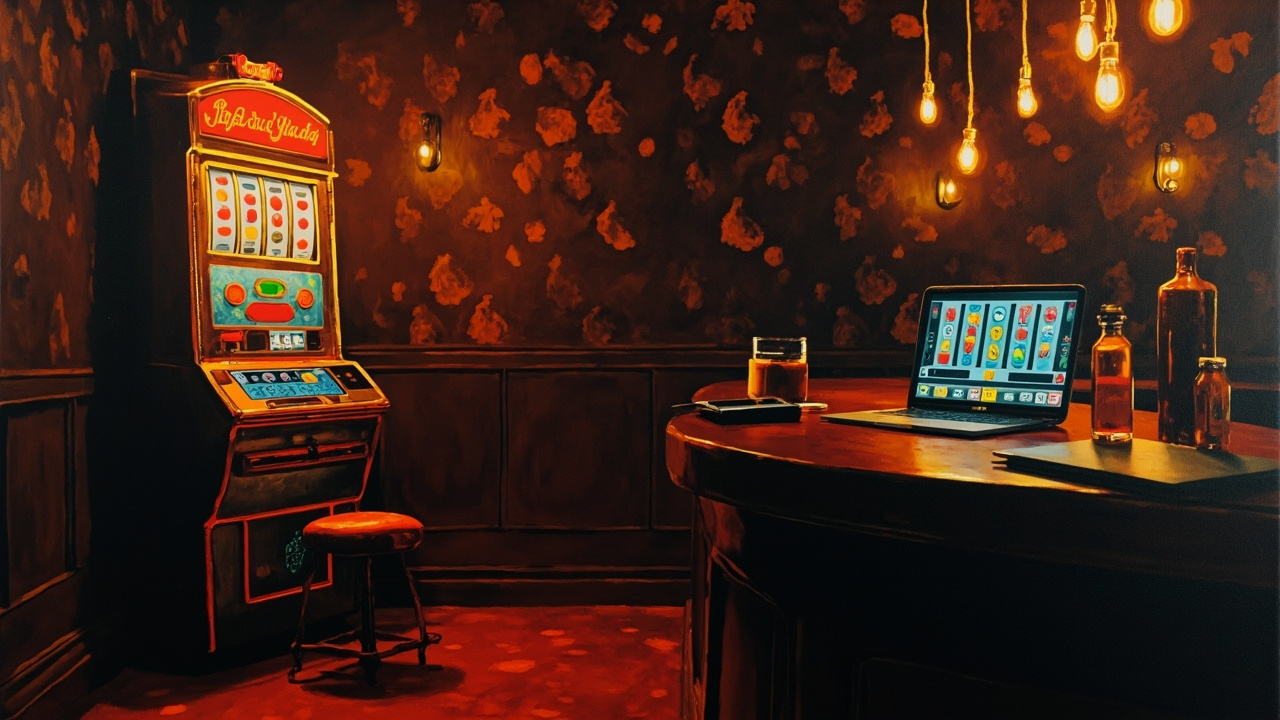
A pub machine is built around a physical presence: a coin mechanism, a printed paytable, a button layout you can feel under your thumb, and the ambient noise of the room around you. The trade-off is that every session is tied to opening hours, foot traffic, and the pace of the venue itself. Online pokies work the other way, trading that tactile immediacy for a screen you can open anywhere with a connection, a lobby that loads in seconds, and settings you adjust before the first spin. When you compare pub pokies vs online pokies, the first real difference is control over the environment rather than control over the game.
Localisation changes the feel more than most people expect. A well-built browser lobby keeps the currency local, surfaces the titles you actually recognise, and keeps the navigation shallow enough that you are not clicking through three menus just to find a favourite. The visual identity matters here too: a clean home screen, obvious category breaks, and search that returns useful results rather than a wall of tiles. For players who want to compare pub pokies vs online pokies without wading through clutter, that structure is what makes the online side usable day to day.
One practical note on the online side: a short explainer on low-stake online play walks through how smaller stakes behave on the screen, which is useful context when you are weighing session length against your own bankroll.
How the interface and everyday usability stack up
Navigation, language, and currency on the screen
The first thing you notice on a decent online lobby is how much of the experience is decided before you touch a game. A local currency default saves a layer of mental arithmetic, and the language choices should feel native rather than translated in a hurry. Search needs to behave like search: type a provider name, a theme, or a mechanic, and get a short list that actually matches. When you line up pub pokies vs online pokies, the online side earns its keep by keeping that friction low across registration, reloads, and the path back to a game you were playing last.
Visual identity, structure, and support in practice
Visual identity is not decoration here; it is the difference between a lobby that feels like a shelf of machines and one that feels like a tool. Clear sections, consistent iconography, and a layout that does not reflow awkwardly on a phone all point to a product built for repeat use rather than a one-off landing page. Support should be reachable without hunting through a footer maze, and registration should ask for the details it actually needs. I have seen supplier launches where the polish stopped at the hero screen and the rest of the flow felt like an afterthought, and that gap shows up fast once a player is trying to settle in. As Alice Evans, Product Analytics Lead, Australian Gaming Futures, has noted, the sessions that stick are usually the ones where the path from login to first spin stays short and the local details stay consistent.
Linking the two choices to how you actually play
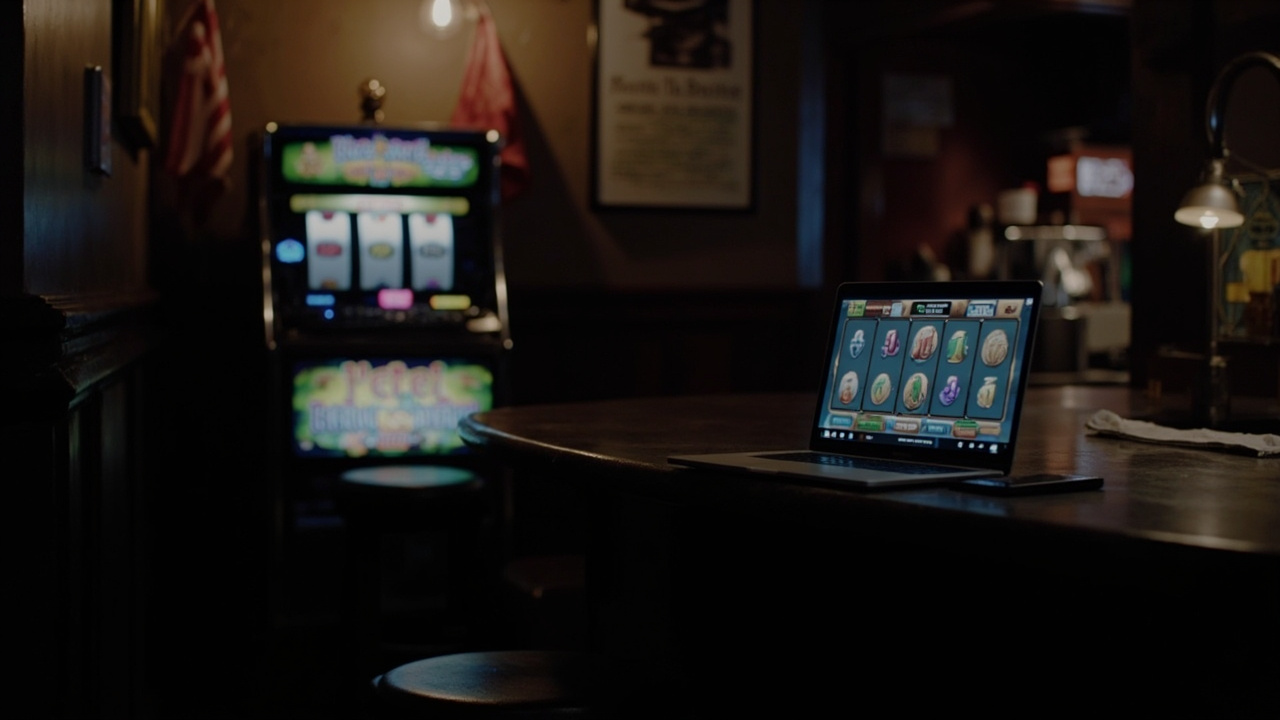
The right call depends on what you want the session to do. If you want the social backdrop, the physical machine, and the rhythm of a venue visit, the pub side still delivers that experience without asking you to set anything up. If you want to open a tab after work, keep the currency local, and find your way back to a familiar title in a few clicks, the online side is built around that routine. The comparison is not about one being more serious than the other; it is about which friction you are happy to carry. Some punters famously place decades-long «novelty bets,» such as on the end of the world, which is unpayable of course, and that kind of thinking has no place in a session built around ordinary stakes and ordinary expectations. https://starlight-princess-1000-au.com
There is a useful parallel in the background of game design itself. Blackjack is also known as «21,» after its target hand value, and that kind of naming shorthand is what good localisation aims for: labels that feel familiar without needing explanation. The same thinking applies to payments, registration, and loyalty mechanics, where the best setups make the routine feel routine. You can even trace that sensitivity in physical venues, where the MGM Grand famously altered its lion-mouth entrance after some Asian patrons deemed it unlucky, a reminder that small details change how a space feels. For a player weighing pub pokies vs online pokies, those details are the difference between a place you return to and one you visit once.
• Local currency and language defaults shorten the path to your first spin
• Search and shallow categories matter more than a crowded home screen
• Support and registration should be easy to reach, not buried in a footer
• The right choice follows the routine you actually want, not the one a marketing page describes
The clearest verdict is simple: pick the setup whose everyday friction matches your routine, because pub pokies vs online pokies is less a contest than a choice between two different kinds of convenience.